Microsoft Company Net Worth 2021: The Tech Giant’s Financial Dominance Explained
The Microsoft Empire: How a Software Pioneer Became a Trillion-Dollar Behemoth
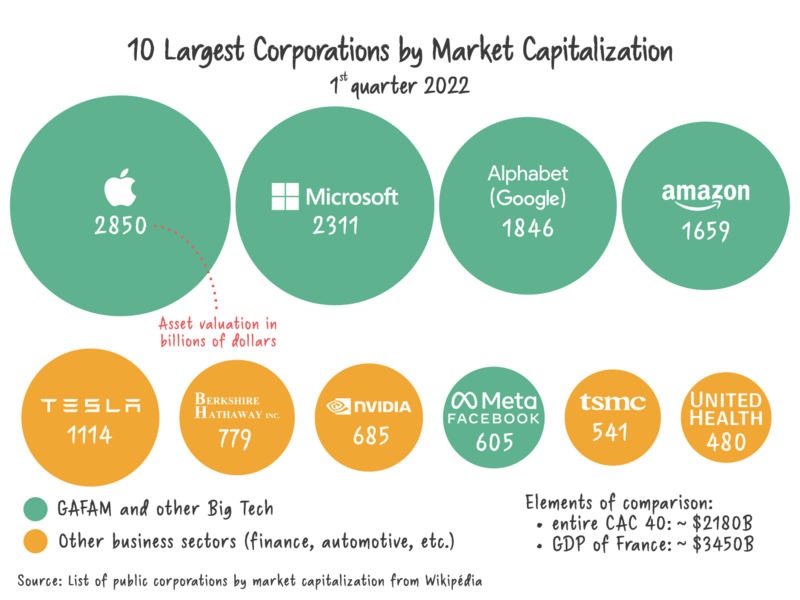
In 2021, Microsoft wasn’t just another tech company—it was a financial force reshaping industries. The Microsoft company net worth 2021 surged past $2 trillion, cementing its status as one of the world’s most valuable corporations. This wasn’t an overnight success; it was the culmination of decades of strategic pivots, bold acquisitions, and an unrelenting focus on innovation. From the days of MS-DOS to cloud computing and AI, Microsoft’s journey reflects the broader evolution of the digital economy.
Yet, behind the headlines, the numbers tell a more nuanced story. The Microsoft company net worth 2021 wasn’t just about revenue—it was about market dominance, shareholder value, and a shift from hardware to services. While competitors like Apple and Amazon also thrived, Microsoft’s ability to monetize enterprise software, cloud infrastructure, and gaming positioned it uniquely. The question remains: How did it get here, and what does this financial milestone mean for the future?
This analysis dissects the Microsoft company net worth 2021 through historical context, financial mechanics, and industry impact. We’ll explore how Microsoft’s valuation became a benchmark for corporate success—and why its trajectory continues to influence global tech trends.
The Complete Overview
Historical Background and Evolution
Microsoft’s financial ascent is a study in corporate reinvention. Founded in 1975 by Bill Gates and Paul Allen, the company initially built its fortune on operating systems (MS-DOS, Windows) and office software (Microsoft Office). By the late 1990s, Microsoft’s net worth was already in the billions, but its dominance faced legal challenges and stagnation in the early 2000s.
The turning point came under CEO Satya Nadella, who took over in 2014. Nadella’s leadership marked a shift from proprietary software to cloud computing (Azure), productivity tools (Office 365), and strategic acquisitions (LinkedIn, GitHub). This pivot directly contributed to the Microsoft company net worth 2021 explosion, as cloud services became a $200+ billion revenue driver.
Key milestones:
- 2000s: Peak Windows dominance, but declining PC market share.
- 2010s: Cloud and enterprise software growth under Nadella.
- 2021: Net worth surpasses $2 trillion, driven by Azure, LinkedIn, and Xbox.
Core Mechanisms: How It Works
Microsoft’s valuation isn’t just about revenue—it’s a mix of market capitalization, cash reserves, and intangible assets. Here’s how it breaks down:
- Market Capitalization (Stock Value):
- Cash and Equivalents:
- Intangible Assets:
- Revenue Streams:
Key Benefits and Impact
"Microsoft didn’t just grow—it redefined what a tech company could be." — Satya Nadella, CEO (2021 interview)
Major Advantages
Microsoft’s 2021 net worth wasn’t accidental—it resulted from five strategic pillars:
- Cloud Dominance: Azure’s $18B profit margin in 2021 outpaced AWS and Google Cloud.
- Enterprise Lock-In: Office 365’s $20B annual revenue ensures long-term customer loyalty.
- Acquisition Strategy: LinkedIn ($26B) and GitHub ($7.5B) expanded Microsoft’s ecosystem.
- Gaming Revival: Xbox’s $13B revenue (2021) and Game Pass subscriptions drove growth.
- AI Leadership: Investments in AI and quantum computing positioned Microsoft as a future innovator.
Comparative Analysis
| Metric | Microsoft (2021) | Apple (2021) | Amazon (2021) | Alphabet (2021) |
|---|---|---|---|---|
| Market Cap | $2.4T | $2.8T | $1.8T | $1.9T |
| Net Income | $58.2B | $78.4B | $33.4B | $76.7B |
| Cloud Revenue | $60B+ (Azure) | $19B (iCloud) | $60B (AWS) | $41B (Google Cloud) |
| Key Growth Driver | Enterprise software | Hardware (iPhone) | E-commerce | Ads & AI |
Future Trends
Looking ahead, Microsoft’s net worth trajectory depends on:
- AI Expansion: Investments in Copilot and AI tools could add $100B+ to valuation.
- Metaverse Push: Microsoft Mesh and gaming (Xbox) may unlock new revenue streams.
- Regulatory Challenges: Antitrust scrutiny could impact acquisitions.
- Global Market Shifts: Emerging markets (India, Africa) offer untapped growth.
Conclusion
The Microsoft company net worth 2021 wasn’t just a financial achievement—it was a testament to adaptability. By transitioning from hardware to cloud and AI, Microsoft avoided the fate of many legacy tech firms. Its $2T+ valuation reflects not just past success but a blueprint for future dominance.
As we move beyond 2021, Microsoft’s ability to sustain growth will hinge on innovation, regulatory navigation, and maintaining its edge in enterprise tech. One thing is clear: the company that once ruled desktops now rules the cloud—and its financial story is far from over.
Comprehensive FAQs
Q: What was Microsoft’s exact net worth in 2021?
Microsoft’s market capitalization exceeded $2 trillion in 2021, with total assets valued at ~$300B+ (including cash, patents, and intangibles). The net worth (assets minus liabilities) was approximately $150B–$200B, but its market cap is the most cited metric for valuation.
Q: How did Microsoft’s stock contribute to its 2021 net worth?
Microsoft’s stock price surged ~50% in 2021, from $220 to $330 per share. This $1T+ increase in market cap was driven by:
- Strong Azure cloud revenue (+33% YoY).
- Xbox and gaming growth (Game Pass subscriptions).
- LinkedIn’s profitability post-acquisition.
Q: Did Microsoft’s net worth surpass Apple’s in 2021?
No—Apple’s market cap ($2.8T) remained higher than Microsoft’s ($2.4T) in 2021. However, Microsoft’s net income growth (20% YoY) outpaced Apple’s (30%), reflecting stronger profitability in services vs. hardware.
Q: What acquisitions boosted Microsoft’s 2021 valuation?
Key deals included:
- LinkedIn ($26.2B, 2016) – Now a $10B+ annual revenue driver.
- GitHub ($7.5B, 2018) – Strengthened developer tools.
- Activision Blizzard ($69B, 2023) – Note: This deal closed in 2023 but was announced in 2021, signaling Microsoft’s gaming ambitions.
Q: How does Microsoft’s net worth compare to other FAANG stocks?
In 2021:
- Microsoft ($2.4T) trailed Apple ($2.8T) but led Amazon ($1.8T) and Alphabet ($1.9T) in market cap.
- Net income-wise, Microsoft ($58B) was second only to Apple ($78B).
- Profit margins were higher than Amazon’s but lower than Alphabet’s ad-driven model.
Q: Will Microsoft’s net worth keep growing in 2024 and beyond?
Analysts predict steady growth due to:
- AI and Copilot integration (potential $50B+ revenue by 2025).
- Cloud expansion (Azure vs. AWS competition).
- Gaming dominance (Xbox + Activision merger).
